
Strength-Building Equipment for Kids
10%
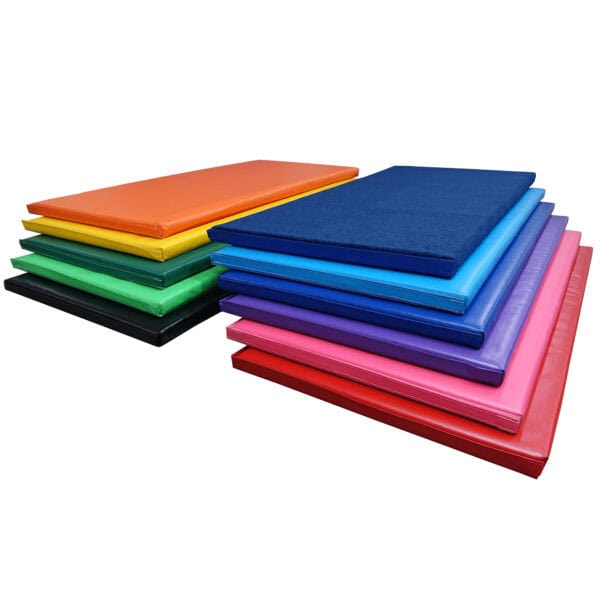
Build-a-Mats (2-Pack)
Helping kids grow stronger
Building strength through joyful, whole-body exploration and gentle challenge
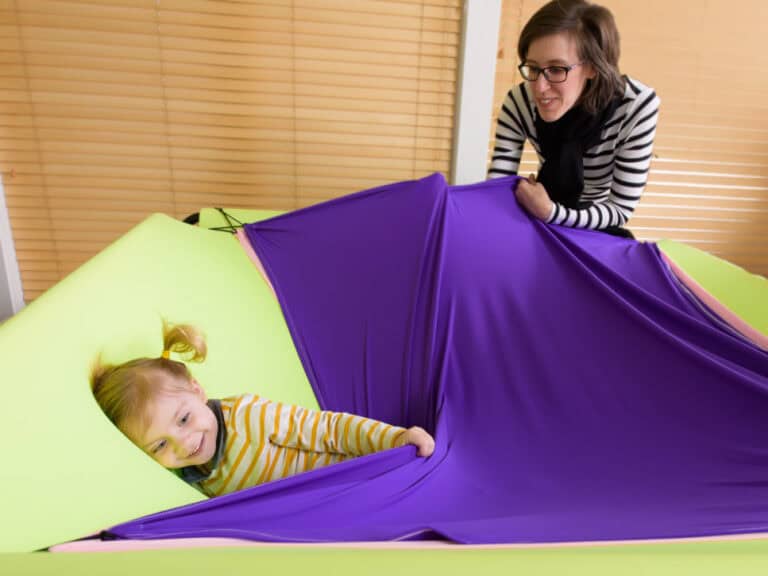
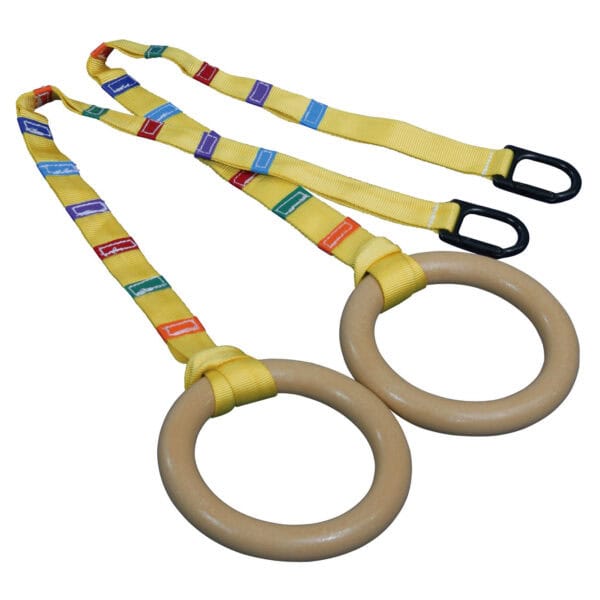
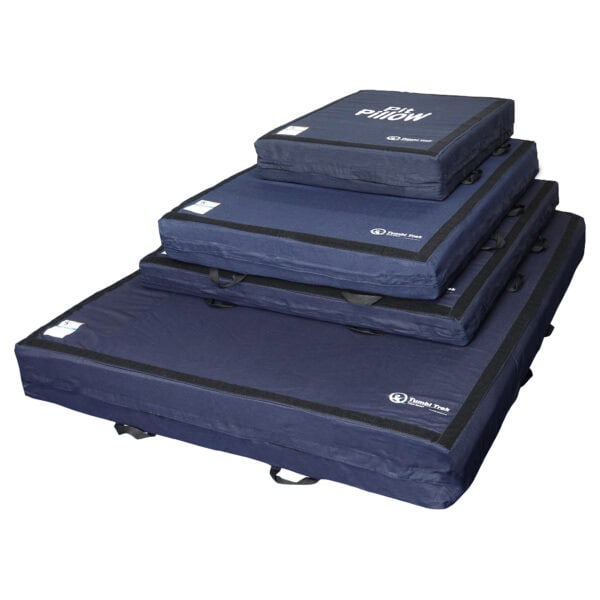
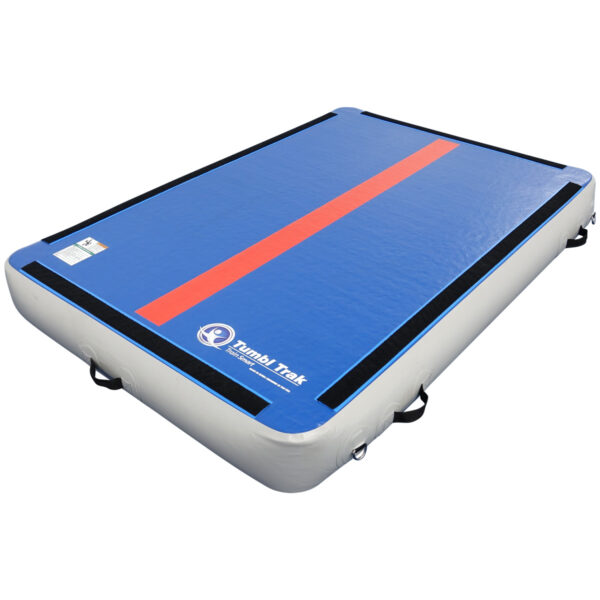
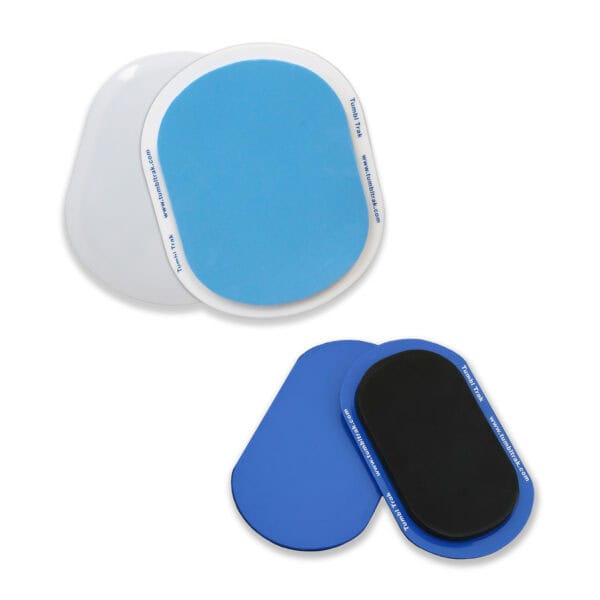
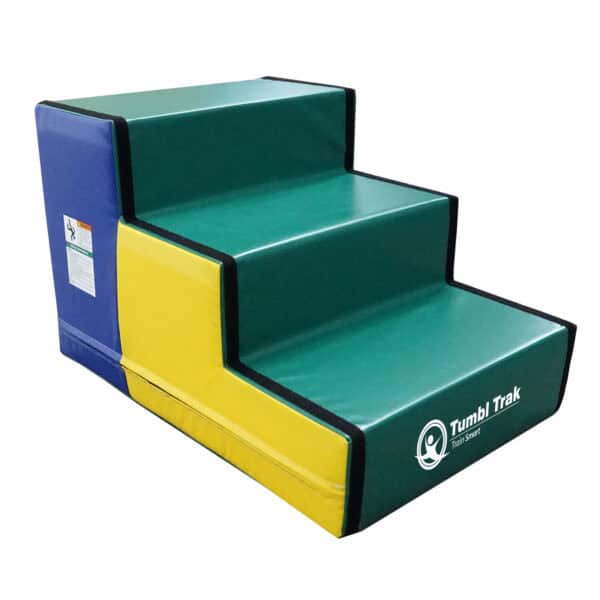
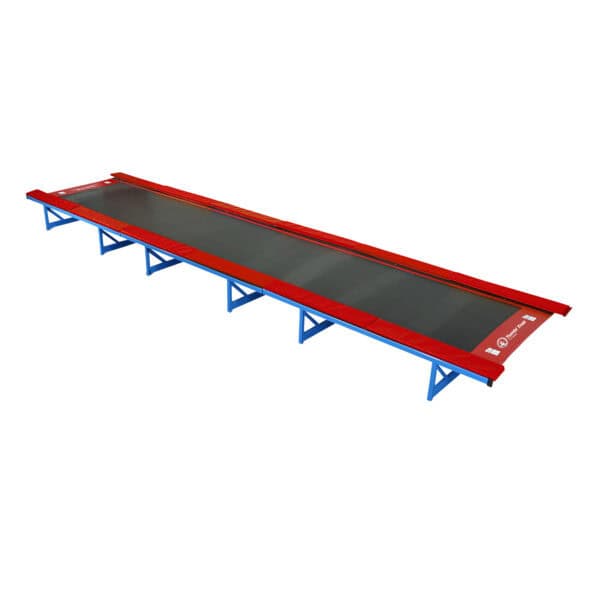
Strength plays a key role in how children move, explore, and take part in everyday activities. Strength-building equipment includes climbing surfaces, supportive mats, inflatables, stepping tools, and resistance-based movement pieces that invite children to push, pull, bear weight, and move their bodies with purpose. Some children benefit from more opportunities to build strength in environments that feel safe, engaging, and flexible to their pace. These tools support strength-building through play, both at home and in pediatric occupational and physical therapy settings nationwide.
Who benefits from strength-building equipment
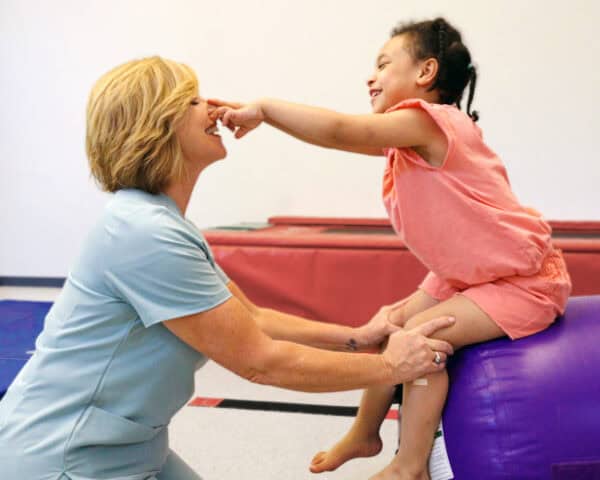
Strength equipment supports children with special needs from toddlers through teens who benefit from building muscle endurance and whole-body confidence. Families and therapists often use these tools with children who have hypotonia or low muscle tone, Down syndrome, cerebral palsy, developmental delays, or sensory processing differences. Occupational therapists and physical therapists regularly incorporate strength-building activities into pediatric therapy sessions to support daily movement and participation. Whether a child is working on climbing, pushing up from the floor, or sustaining movement during play, this equipment creates practical opportunities at home, in clinics, and in school settings.
How our equipment builds strength
Families often notice strength gains when their child starts participating more confidently in physical activities and daily routines. As children build core stability and endurance, everyday tasks like climbing, carrying, and keeping up during play often become easier.
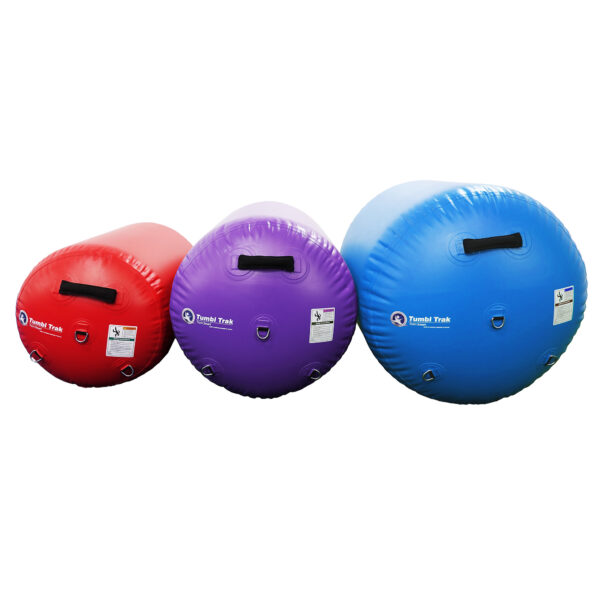
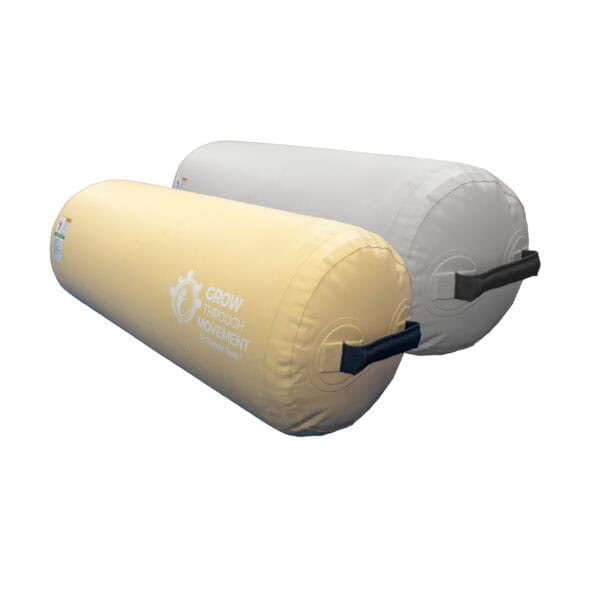
Strength develops through repeated experiences that challenge muscles in safe, motivating ways. For some children, simply moving against gravity is meaningful work. Supportive surfaces meet them where they are and let them build gradually. Climbing inclines, rolling over barrels, pushing against resistance, and navigating steps all encourage children to use their bodies in ways that build endurance over time. Occupational and physical therapists use similar approaches to support strength development in clinical settings.
When children feel successful, they practice more often. Equipment that provides the right level of challenge, not too easy, not overwhelming, invites repetition. Children naturally seek out activities that feel achievable, and each attempt builds on the last.
Strength-building equipment works in both structured therapy sessions and open-ended play at home. The same tools therapists use in clinics can support daily practice between appointments.
Choosing the right strength-building equipment
Children build strength in different ways, so the right equipment depends on what feels safe and motivating for your child. Stable surfaces like inclines and steps support early core work, while dynamic surfaces like barrels and inflatables add gentle resistance as confidence grows. Many families and therapists observe which movements a child naturally enjoys, then build from there. Most strength equipment works for both playful home use and targeted therapy activities.
FAQs about strength-building equipment
Climbing, pushing, pulling, and weight-bearing activities all support strength development. Equipment like inclines, steps, and barrels gives children safe surfaces to practice these movements. The key is repetition through play, where effort feels fun rather than like exercise.
Strength focuses on building muscle endurance and core stability, which then supports motor skill development. Many children work on both together. Stronger core muscles often make coordination and motor planning easier.
Occupational and physical therapists frequently use strength-building equipment in pediatric therapy sessions. Many of these same tools are available for home use, allowing families to continue practice between appointments. Your child’s therapist can suggest which items might fit your child’s goals.
Yes. Most strength-building equipment works in both clinical and home settings. Many families use the same tools their child’s therapist uses, which creates consistency between therapy appointments. Look for items that fit your space and storage needs.
Yes, many families and therapists use strength equipment with children who have hypotonia or low muscle tone. The supportive surfaces allow children to work against gravity at their own pace. Inflatables and inclines are especially popular because they provide gentle resistance without overwhelming the child. Your child’s physical or occupational therapist can suggest equipment that matches their current strength and endurance levels.
Yes, many families and therapists use strength equipment with children who have Down syndrome to support whole-body movement and endurance. Play-based strength activities offer meaningful ways to practice pushing, pulling, and climbing without pressure. Your child’s therapist or care team can recommend equipment that supports their specific movement goals.