
Therapeutic Play Equipment for Kids
10%
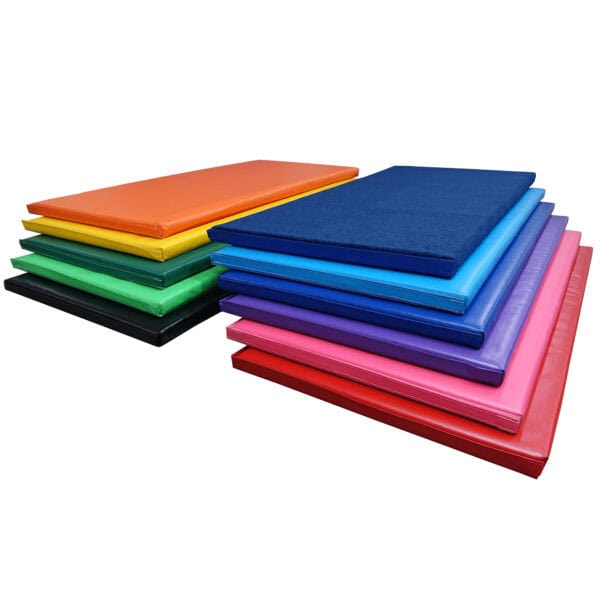
Build-a-Mats (2-Pack)


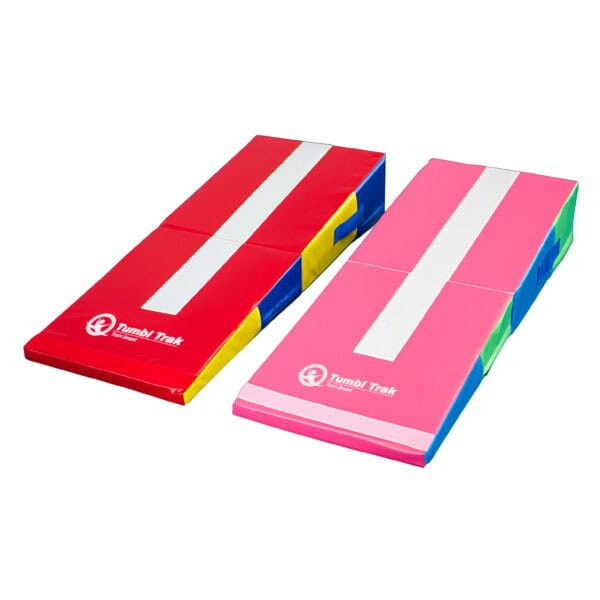
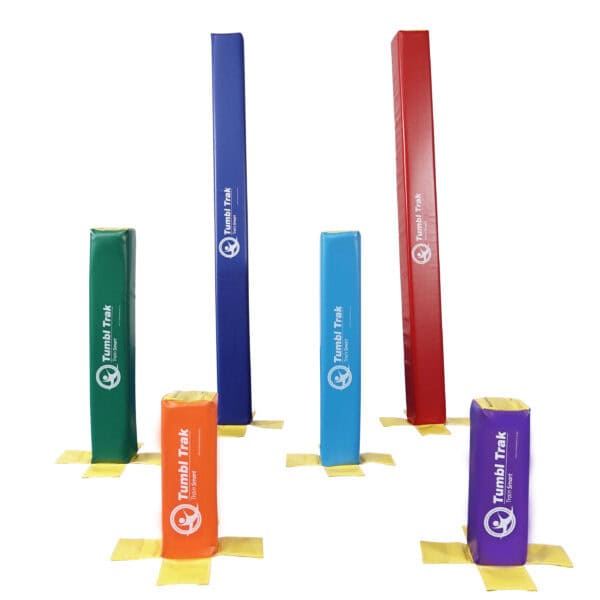
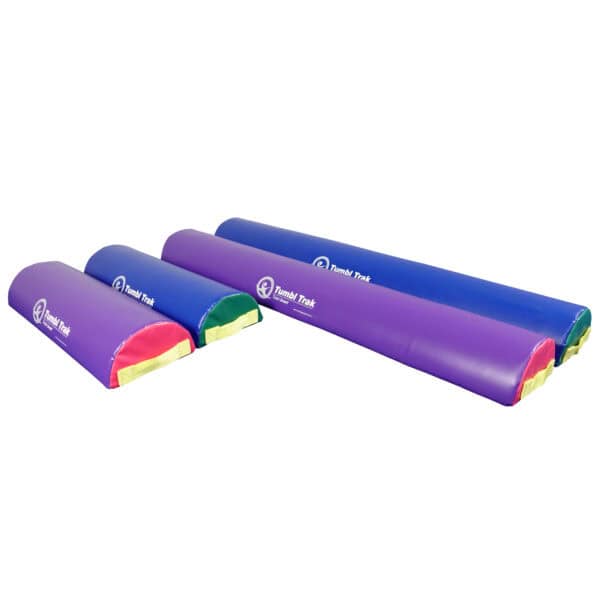
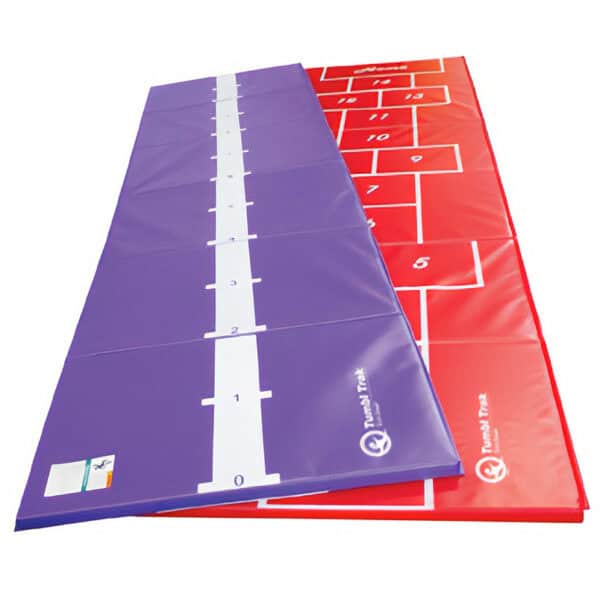
Helping children grow through play
Where movement meets joy, and every child explores at their own pace.
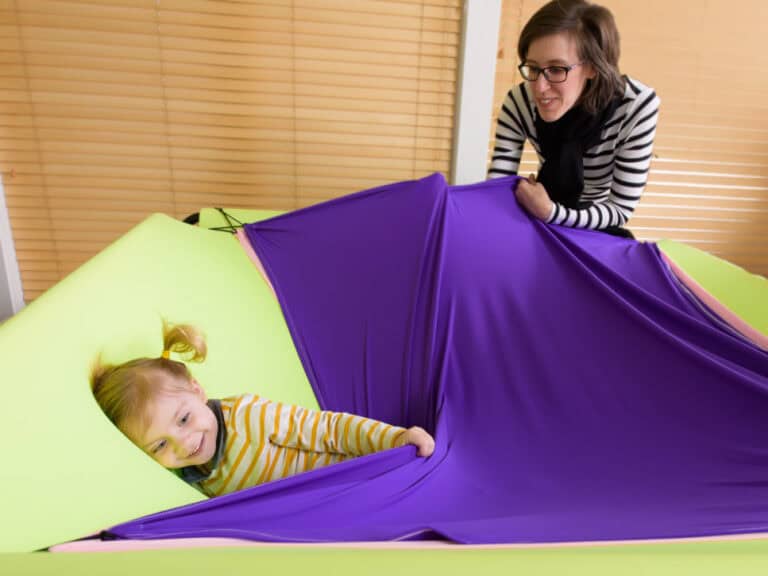
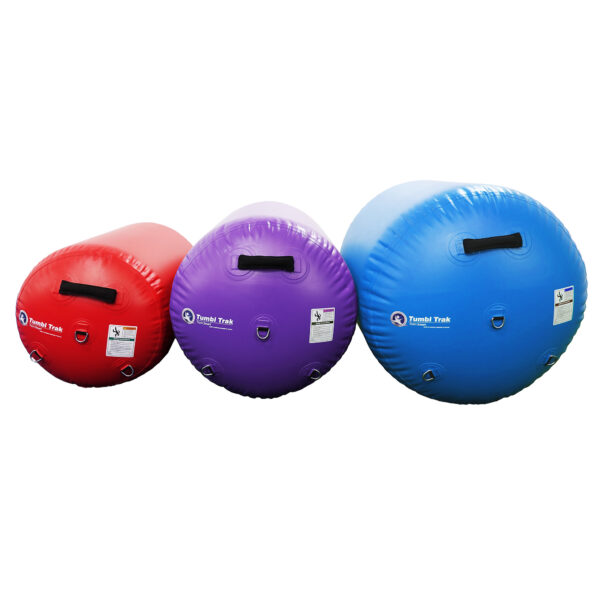
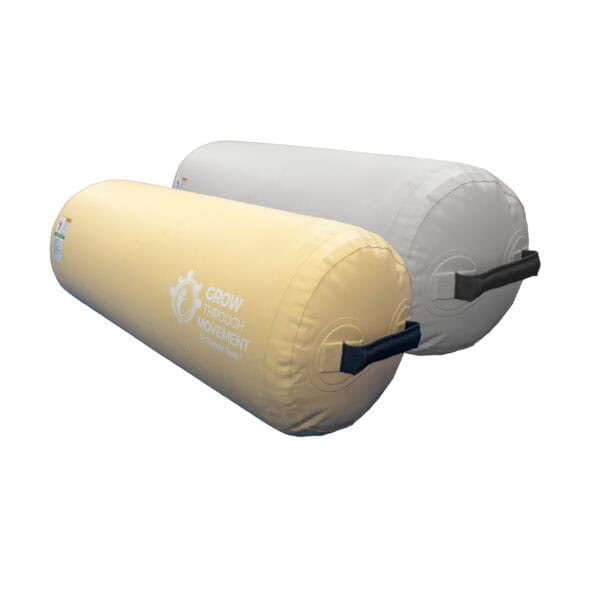
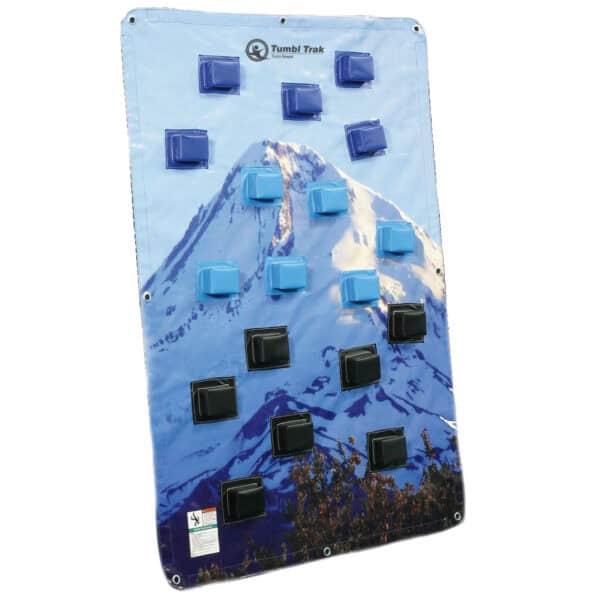
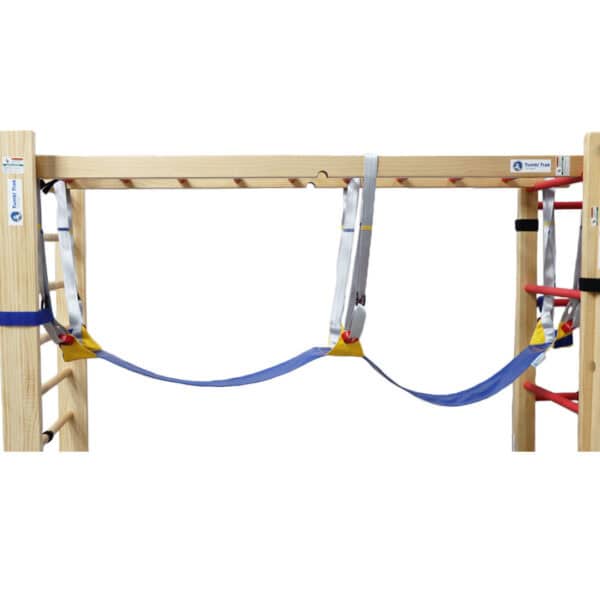
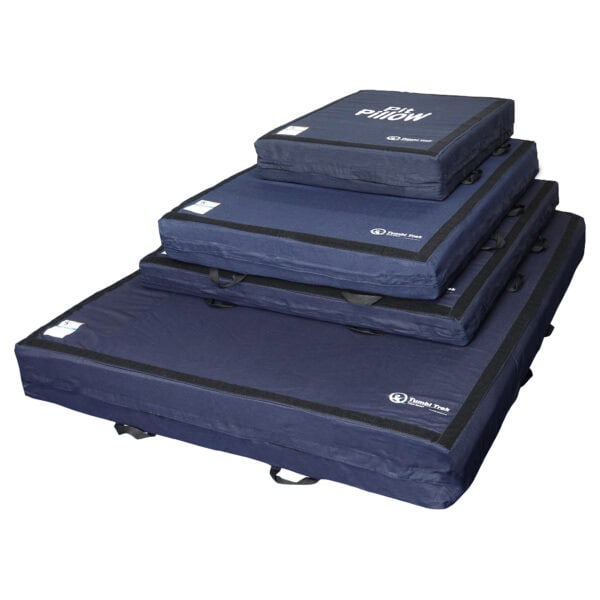
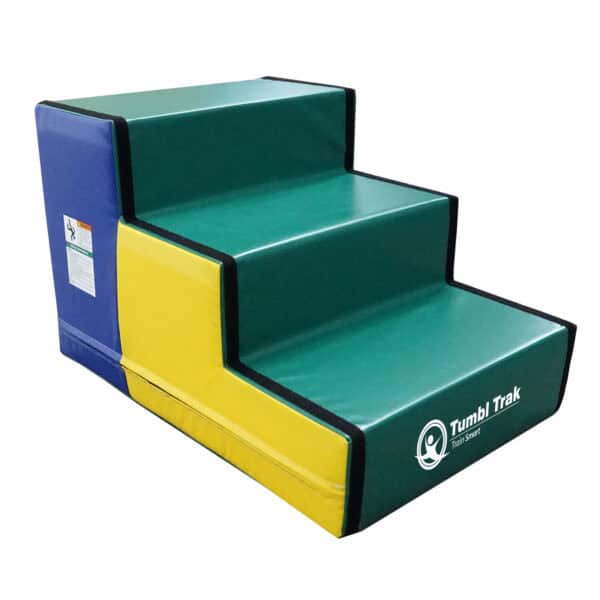
Play is how children make sense of the world. Through play, they explore what their bodies can do, practice new movements, and build confidence for everyday life. Therapeutic play equipment includes climbing surfaces, rolling shapes, balance pathways, and soft landing zones that let children engage in active, whole-body play in safe, supportive ways. Some children need more opportunities to explore movement at their own pace, with surfaces and shapes that respond to their needs. This equipment is used by occupational and physical therapists in pediatric clinics and by families creating playful spaces at home.
Who benefits from therapeutic play equipment
Therapeutic play equipment supports children across a wide range of developmental profiles. Children with autism, cerebral palsy, Down syndrome, sensory processing differences, and developmental delays often benefit from play environments that offer varied textures, responsive surfaces, and clear physical feedback. Kids with special needs may find standard playgrounds overwhelming or inaccessible, while this equipment creates opportunities for safe, self-directed exploration. Occupational therapists, physical therapists, and early intervention specialists regularly use play-based equipment to support motor development, body awareness, and engagement in children from infancy through school age.
How our equipment supports play
Many parents notice that when play feels inviting, their child is more willing to move, explore, and stay engaged. Therapeutic play equipment supports active play by creating safe, predictable environments where children can climb, step, crawl, jump, or explore movement without pressure to perform.
Through open-ended play experiences, children practice coordination, balance, and motor planning while following their own curiosity. Occupational and physical therapists commonly use play-based setups because play encourages repetition without boredom—children naturally return to activities they enjoy.
As play becomes more confident, it often carries into daily routines, social interaction, and physical participation. When movement feels playful instead of instructional, children practice longer and more often. That repeated engagement—at home or in therapy—is what allows play to support meaningful development over time.
Choosing the right therapeutic play equipment
Children engage in play in different ways, so choosing play equipment often comes down to how your child prefers to move. Some children enjoy climbing or stepping, while others gravitate toward jumping, crawling, or exploring surfaces. Many families and therapists observe which activities spark curiosity and comfort, then build from there. Therapeutic play equipment can be adapted for both home routines and therapy sessions, allowing exploration to grow naturally over time.
FAQs about therapeutic play equipment
Therapeutic play equipment is designed to support developmental goals through movement and sensory exploration. These tools offer predictable surfaces, appropriate challenge levels, and safe environments that encourage children to engage in active, whole-body play while building skills like balance, coordination, and body awareness.
Many children benefit from play-based movement, including toddlers, school-age kids, and teens. Therapeutic play equipment supports active exploration for children with a wide range of abilities and developmental differences, especially those who learn best through movement.
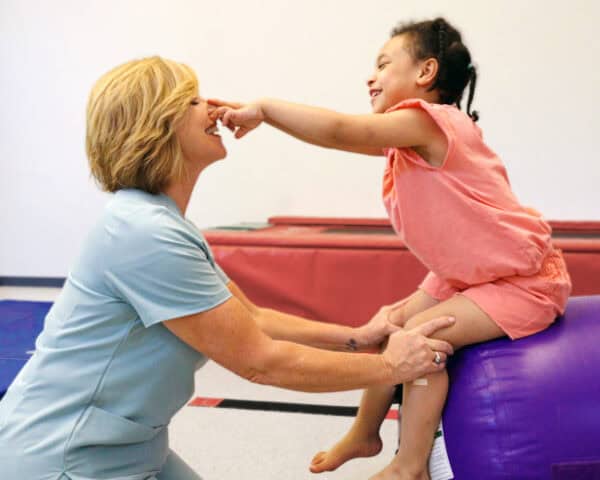
Occupational and physical therapists use play equipment to create engaging, goal-oriented activities. They might use climbing structures to work on motor planning, balance beams for postural control, or soft shapes for sensory exploration. The equipment lets therapists adjust challenge levels while keeping sessions playful and motivating.
Yes. Many families use this equipment to create dedicated play spaces at home. Most pieces are lightweight, easy to store, and designed for use on standard flooring. Home use allows children to practice movements between therapy sessions and explore at their own pace. If your child works with an occupational or physical therapist, they can help you choose equipment that complements your child’s therapy goals.
Yes. Many children with autism benefit from play equipment that provides clear sensory feedback, predictable responses, and opportunities for self-directed exploration. Families and therapists often find that this equipment helps autistic children engage in movement at their own pace, without the unpredictability of typical playgrounds. Your child’s occupational therapist or care team can recommend equipment that matches their specific sensory preferences and movement interests.
Yes, play equipment creates opportunities for children with developmental delays to practice movement skills through repetition and exploration. These tools support engagement without pressure, which many families and therapists find helpful as part of a broader developmental approach. Your child’s therapist or early intervention team can help identify equipment that aligns with their current goals.