
Motor Skills Equipment for Kids
10%
Build-a-Mats (2-Pack)
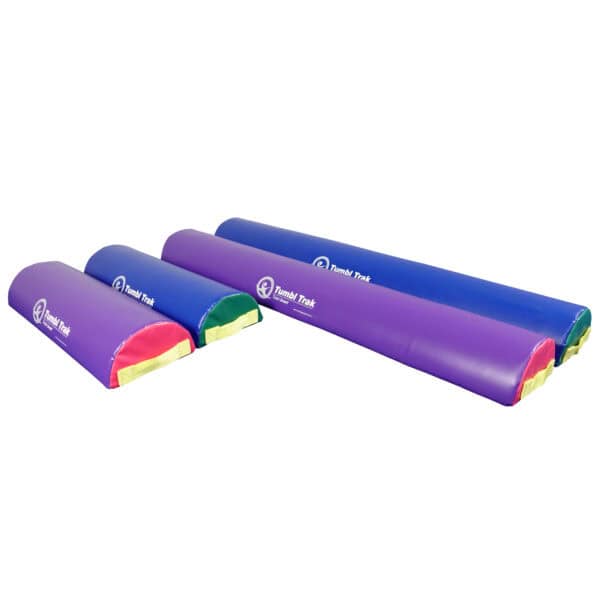
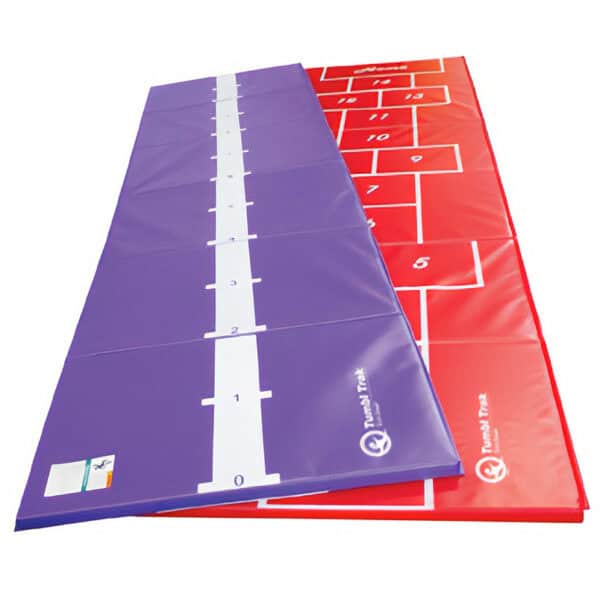
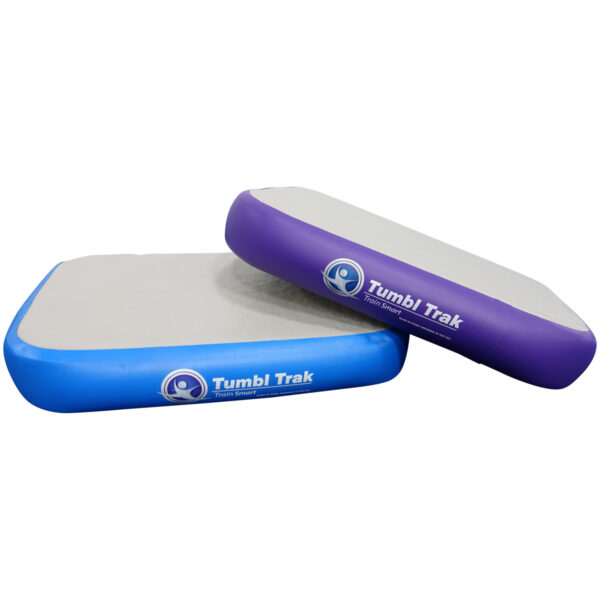
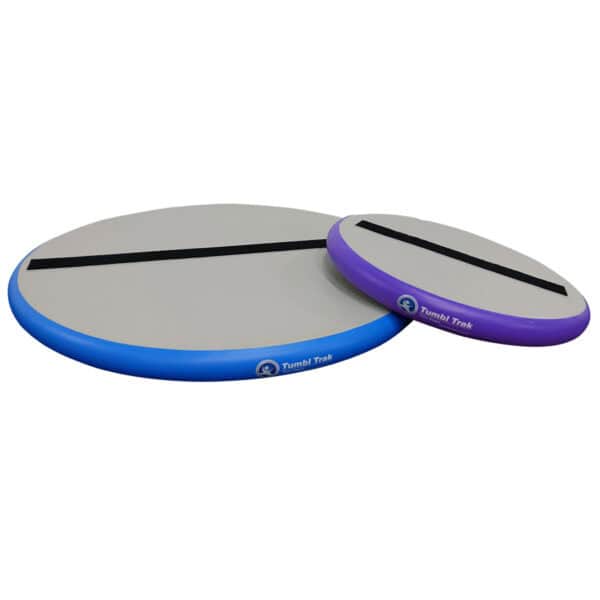
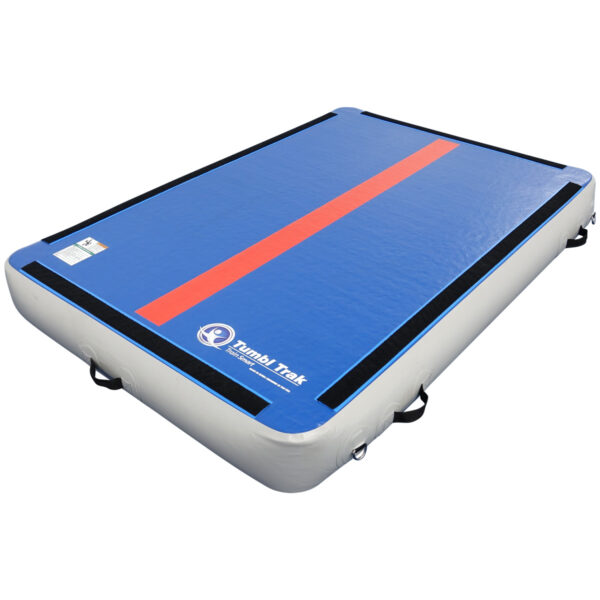
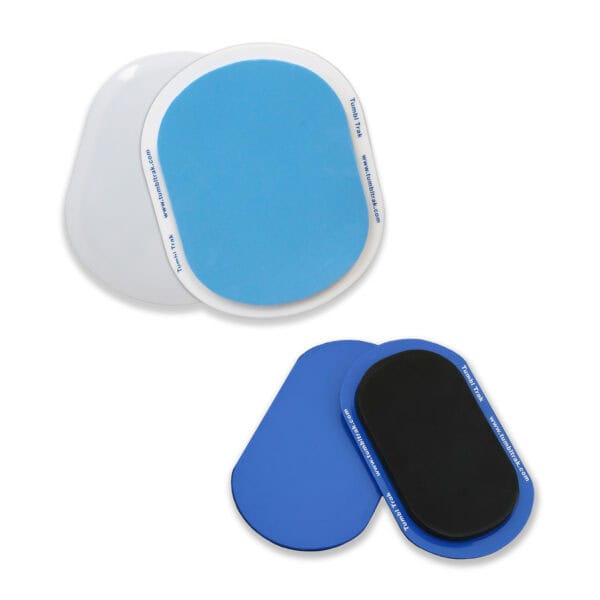
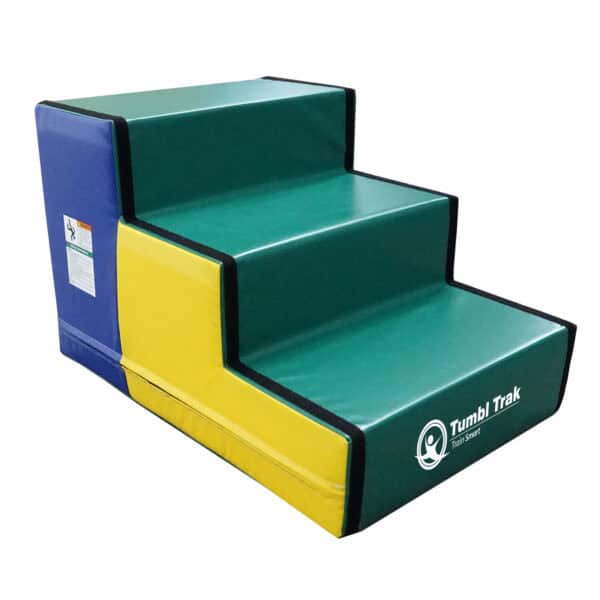
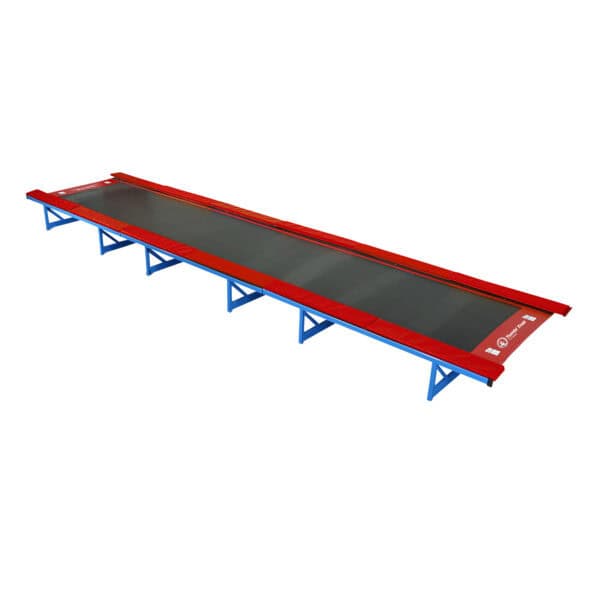
Helping children develop motor skills
Growing coordination and confidence through hands-on movement and play.
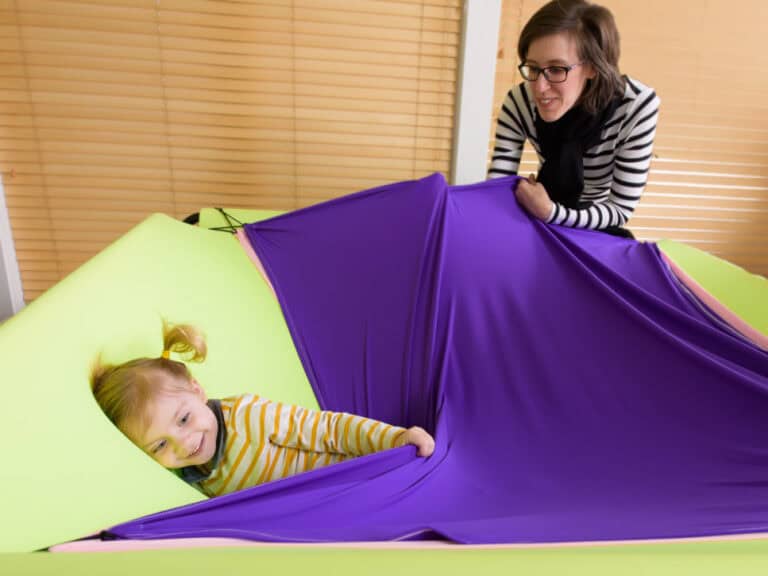
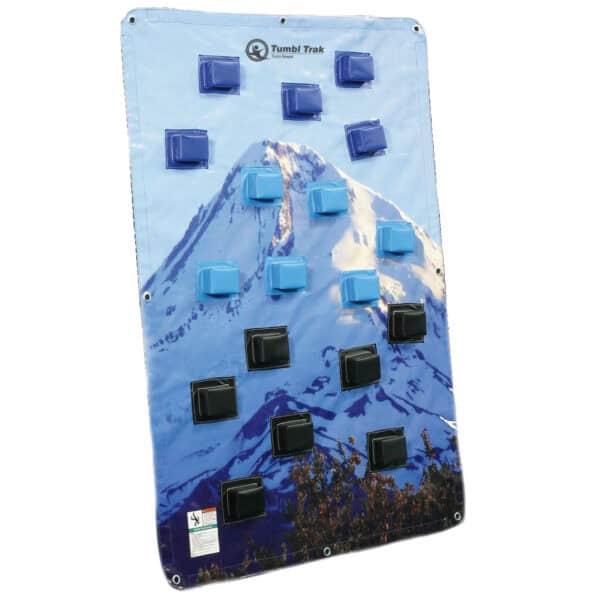
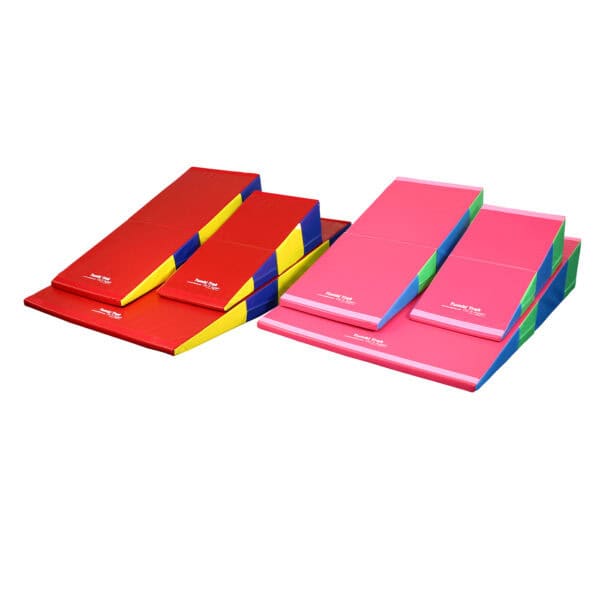
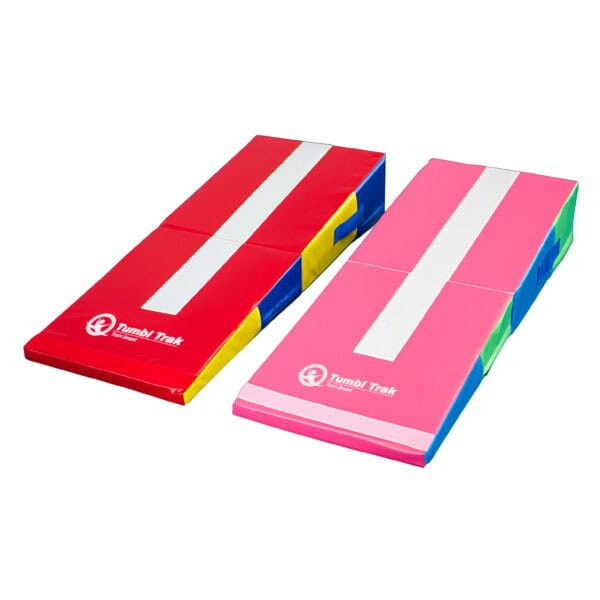
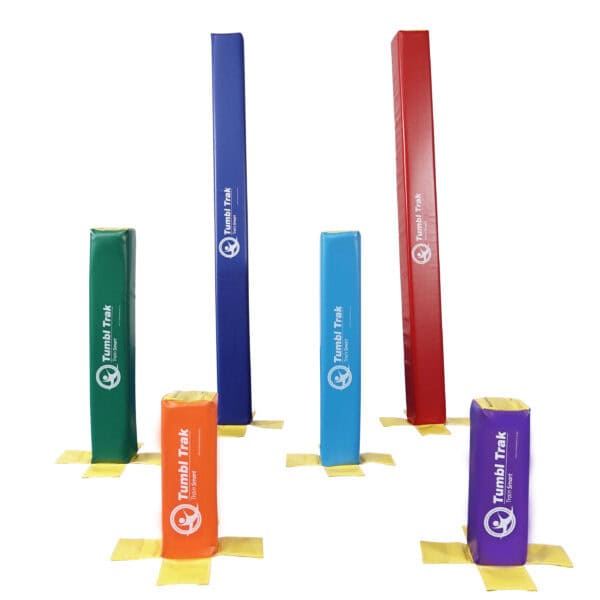
Children engage with movement in many different ways. For some, climbing, jumping, and navigating physical space comes easily. For others, these experiences require more practice, different approaches, or equipment designed to meet them where they are. Motor skills equipment includes beams, stepping tools, climbing surfaces, and movement tracks that give children chances to explore coordination at their own pace. These tools create space for practice that feels safe, achievable, and fun. The same equipment used in pediatric occupational and physical therapy clinics is available for families to use at home.
Who benefits from motor skills equipment
Motor skills equipment supports children across a wide range of movement styles, abilities, and developmental paths, from toddlers exploring early coordination to school-age kids refining how their bodies move through space. Families and occupational therapists commonly choose these tools for children with developmental coordination disorder, autism, cerebral palsy, or sensory processing differences. Children who are working on coordination, exploring new movement patterns, or finding their own approach to physical activities often respond well to equipment that offers predictable, adjustable challenges. These tools work across settings—at home, in therapy clinics, and in schools.
How our equipment builds motor skills
Many parents notice their child becoming more willing to engage in movement during everyday play and routines. As motor skills develop through experience, children often explore their environment with greater ease and curiosity.
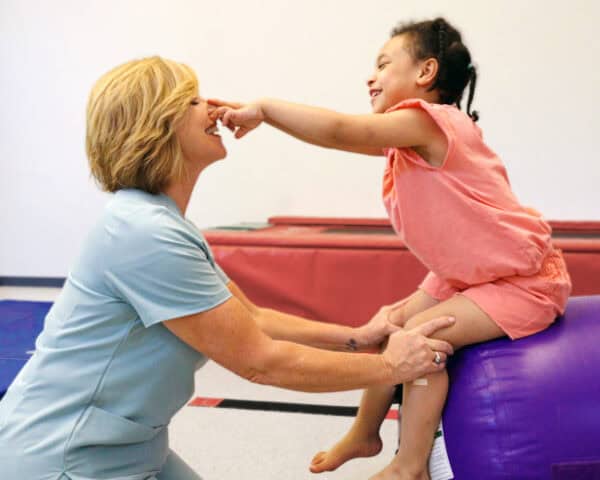
Motor skills grow through repeated opportunities to coordinate movement, plan actions, and adapt to changing physical experiences. By climbing, stepping, balancing, pushing, and manipulating objects, children explore how their bodies move and respond. Occupational and physical therapists commonly use this kind of movement-based practice to support motor development in pediatric therapy settings.
These experiences can support participation in daily activities such as playground play, classroom movement, and self-care routines that involve coordination. When movement feels playful and achievable, children are more likely to engage on their own terms, building familiarity and confidence through active play at home and in professional environments.
Choosing the right motor skills equipment
Children engage with motor skills equipment in different ways, so choosing often comes down to what kinds of movement your child is drawn to. Some children prefer stable, predictable surfaces. Others enjoy more dynamic, variable experiences. Many families and therapists try different options to see what sparks interest and feels right. Each tool can be adapted for home, therapy, or school settings.
FAQs about motor skills equipment
Children across a wide range of ages and movement profiles use motor skills equipment, from toddlers exploring climbing to older kids engaging with coordination activities. These tools adapt to many different bodies and approaches to movement.
Therapists use motor skills equipment to create structured opportunities for climbing, stepping, and whole-body movement. They adjust surfaces and challenges to match each child’s movement style, creating engaging activities tailored to how that child explores.
Yes. Most motor skills tools are simple to set up and work in a variety of spaces. Families often incorporate them into everyday play without needing complicated routines or dedicated therapy time.
If your child works with an occupational or physical therapist, they can recommend equipment based on what they’re seeing in sessions. If you’re choosing on your own, start with what interests your child. Some children prefer stable, predictable surfaces; others enjoy more variable movement experiences. Many families try a few options to see what feels right and build from there.
Yes. Many children with DCD respond well to equipment that offers predictable, adjustable challenges. Surfaces that let them climb, step, and move at their own pace provide opportunities to engage with motor planning and coordination in ways that feel safe. Your child’s occupational therapist can help identify equipment that targets specific coordination goals.
Yes, many autistic children enjoy and engage well with motor skills equipment, particularly those who are drawn to structured, predictable movement experiences. These tools offer opportunities to explore coordination and body awareness in ways that feel comfortable and repeatable. Your child’s therapist or care team can recommend equipment that matches their sensory preferences and movement interests.