
Emotional Regulation and Calming Equipment for Kids
10%
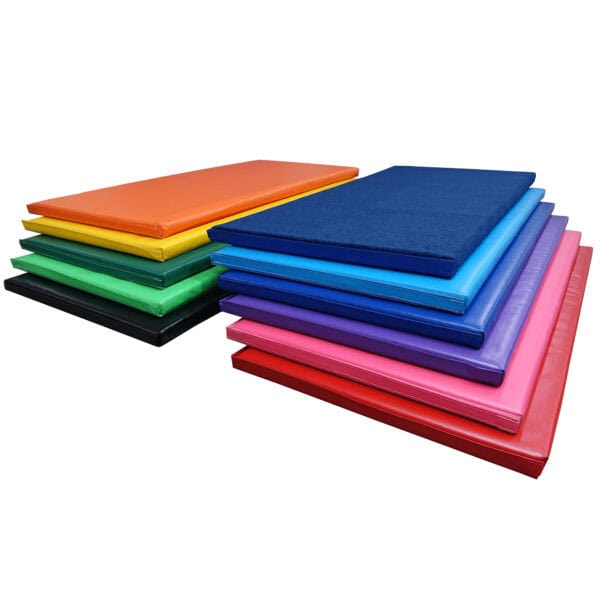
Build-a-Mats (2-Pack)
Helping kids find calm
Creating safe spaces for children to feel grounded and regulate through movement.
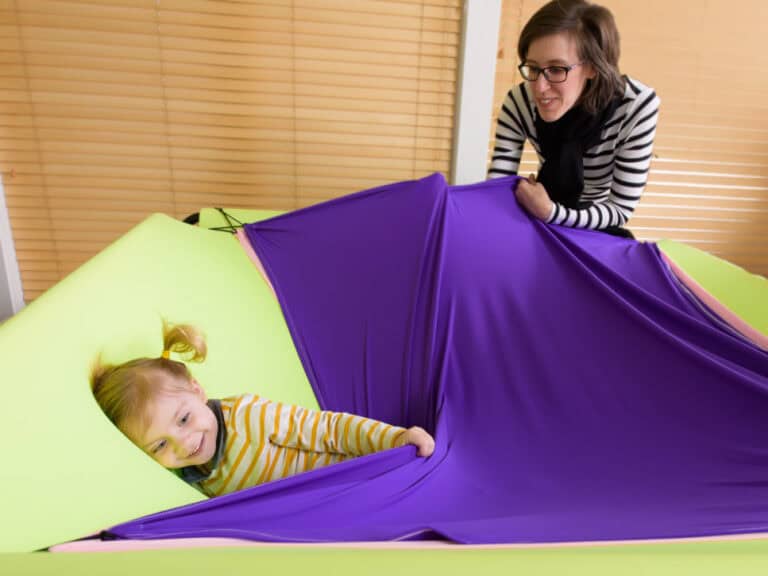
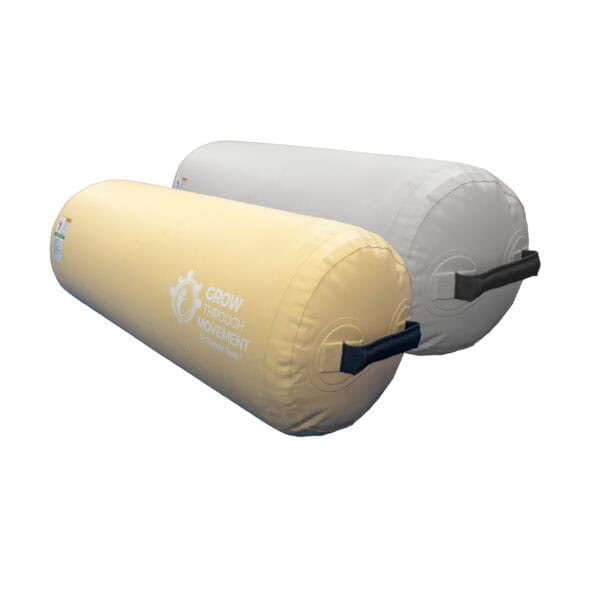
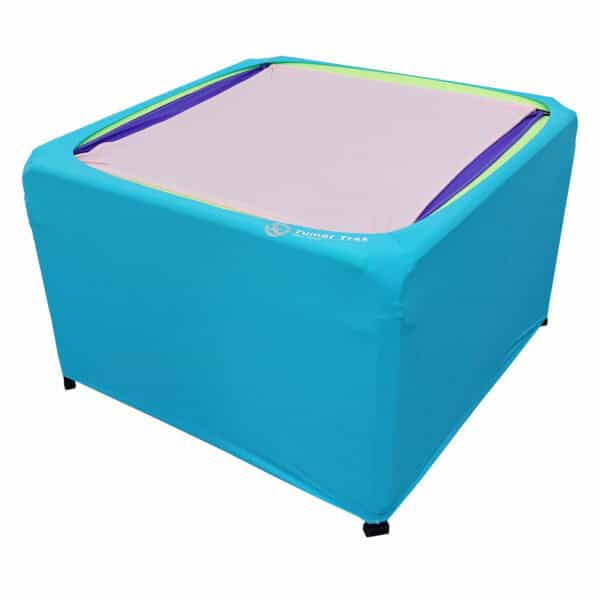
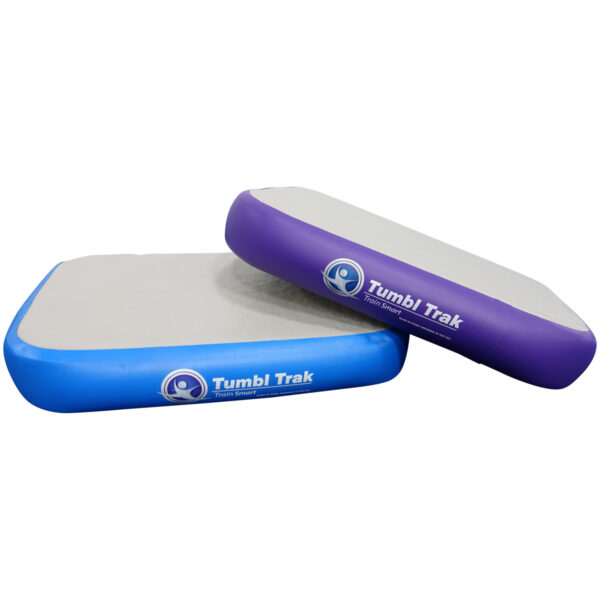
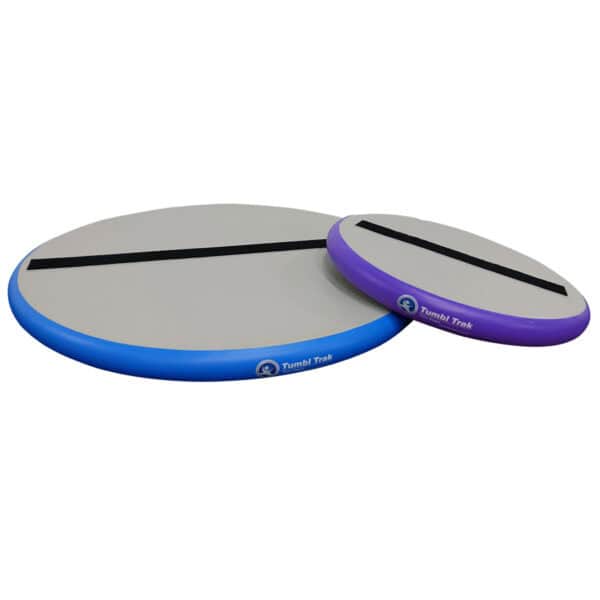
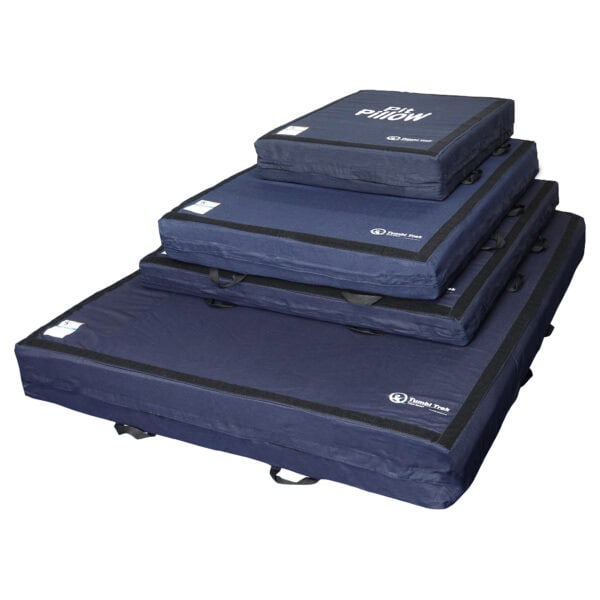
Some children need extra support to feel settled in their bodies. Emotional regulation equipment that helps includes crash mats, enclosed sensory spaces, inflatable surfaces, and soft landing zones that give children safe ways to seek the sensory input they need. When a child’s nervous system feels disorganized, these tools provide grounding through proprioceptive input—the deep pressure and heavy work that help many children feel calmer and more focused. Occupational therapists use this equipment daily in pediatric clinics, and families rely on it at home to create predictable spaces where children can go when they need to reset.
Who benefits from calming and emotional regulation equipment
Emotional regulation equipment supports children with special needs across a wide age range, from toddlers to teens. Families commonly use these tools with children who have autism, sensory processing differences, ADHD, anxiety-related needs, or developmental delays. Occupational therapists and physical therapists regularly include regulation-focused equipment in pediatric therapy sessions to create calm, predictable experiences. Occupational therapists regularly recommend regulation equipment as part of sensory integration programs. Whether a child seeks intense movement to feel organized or needs a quiet space to decompress, this equipment creates opportunities for self-regulation at home, in therapy, and at school.
How our equipment calms and builds emotional regulation
Children develop self-regulation skills through repeated experiences with the right kinds of sensory input. When a child jumps on an inflatable surface, crashes into a soft mat, or pushes against a stretchy fabric enclosure, their muscles and joints send calming signals to their nervous system. This proprioceptive feedback helps many children feel more grounded and organized.
For some children, the predictability matters as much as the sensation. Knowing there’s a soft place to land or a contained space to retreat to can reduce anxiety before dysregulation happens. Parents often notice that children begin seeking out these spaces independently—a sign that they’re learning to recognize what their bodies need.
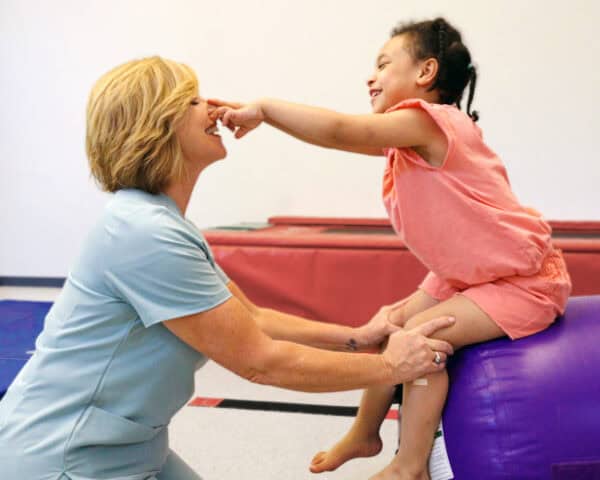
Occupational and physical therapists use these same strategies in clinical settings, incorporating crash mats and inflatable equipment into sensory diets and regulation routines. The portability of this equipment means families can bring the same calming tools home, creating consistency between therapy and daily life.
Choosing the right emotional regulation equipment
Children regulate in different ways, so choosing the right fit often starts with noticing what helps your child feel grounded. Some children respond best to deep pressure or heavy work, while others prefer gentle movement or a quiet, enclosed space. Many families and therapists try a few options to see what feels calming and inviting. These tools can be adapted for short moments at home or more structured use in therapy sessions.
FAQs about calming and emotional regulation equipment
Children who have difficulty managing big emotions, transitioning between activities, or feeling settled in their bodies often benefit from regulation equipment. This includes children with autism, ADHD, sensory processing differences, anxiety, and developmental delays. Many children without specific diagnoses also use this equipment for sensory breaks.
Regulation equipment is designed specifically to provide organizing sensory input. Features like low height, soft landing surfaces, and soothing spaces make it safer for children who may use equipment intensely or impulsively. The focus is on how the equipment makes children feel, not just how it entertains them.
Therapists use these tools to create calm moments within sessions, often pairing movement with sensory input. The level of challenge is adjusted so children feel supported while learning to recognize and return to a regulated state.
Yes. Most regulation-focused tools are simple to set up and flexible for small spaces. Families often weave short calming breaks into daily routines, making regulation part of everyday life rather than a separate activity.
Yes. Many autistic children benefit from predictable sensory input like deep pressure or gentle movement. Emotional regulation equipment offers a safe way to explore calming sensations, and therapists often include these tools as part of broader support strategies. Parents are encouraged to check in with their child’s occupational therapist or care team to make sure the approach fits their child’s individual sensory needs.
Yes. Many families and therapists find that calming sensory input and heavy work can support focus and engagement for children with ADHD. Regulation equipment creates brief opportunities to reset before returning to learning or play. An occupational therapist or other trusted professional can help determine which types of input are most supportive for a child’s specific regulation needs.