
Balance Equipment for Kids

10%
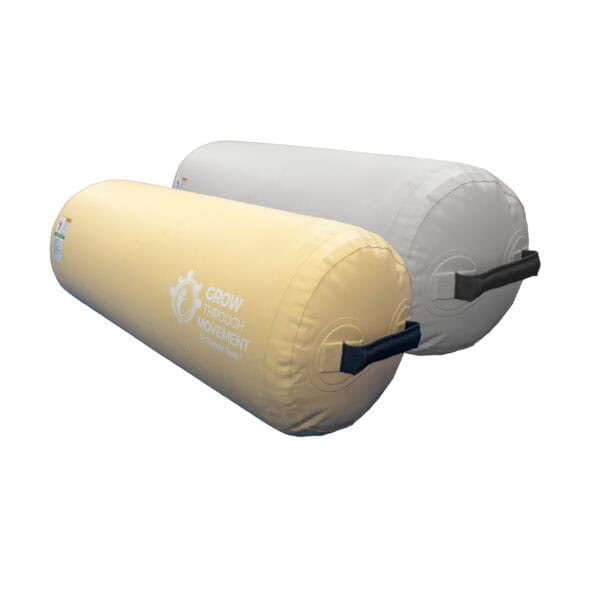
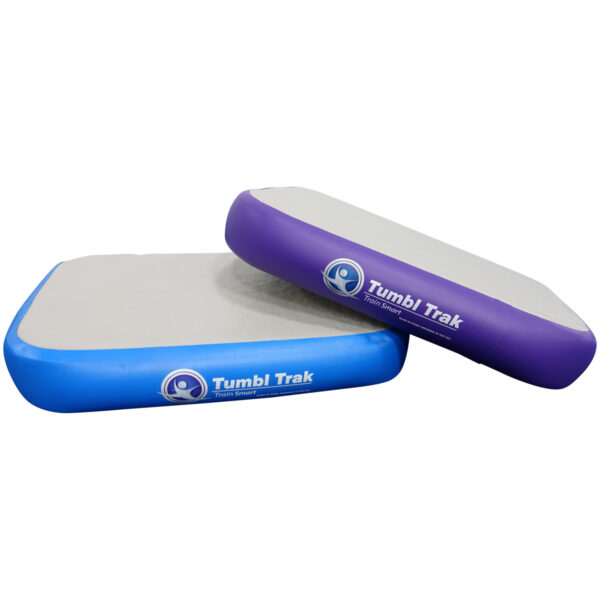
Build-a-Mats (2-Pack)

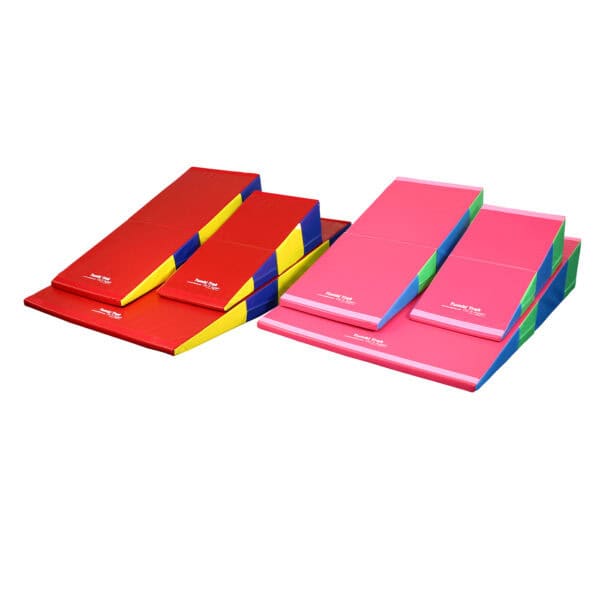
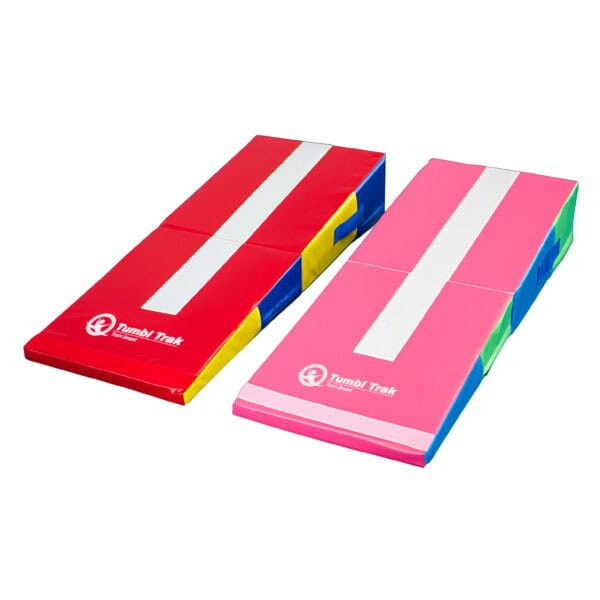
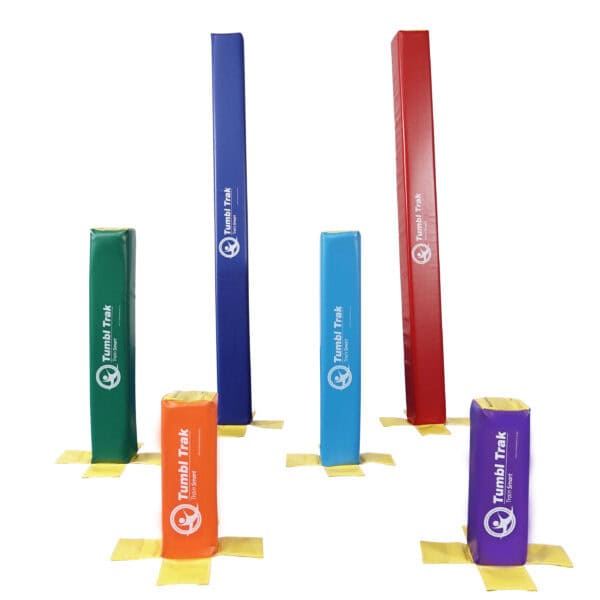

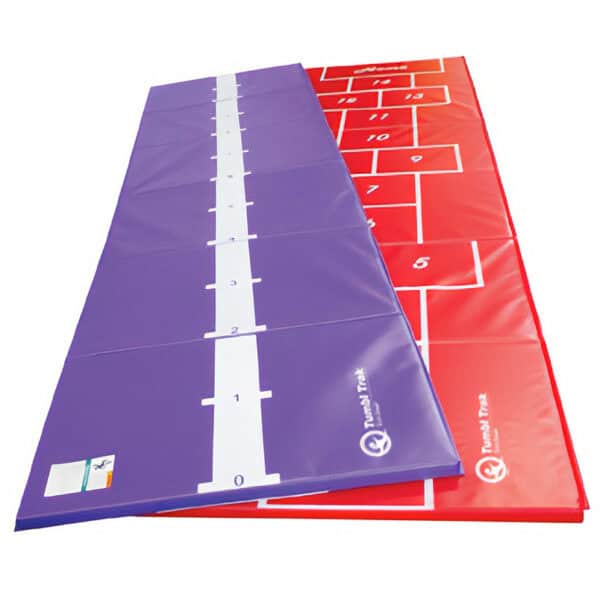
Helping children build balance
Supporting balance through playful movement and steady, confidence-building practice.
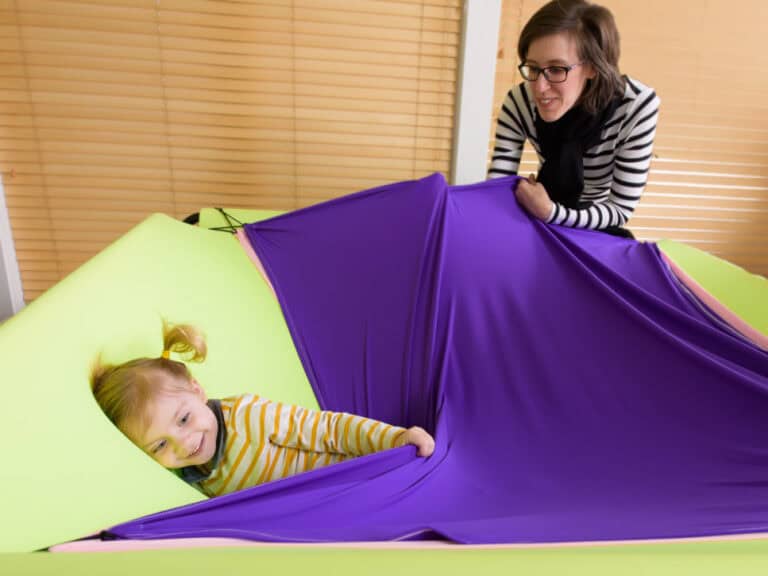
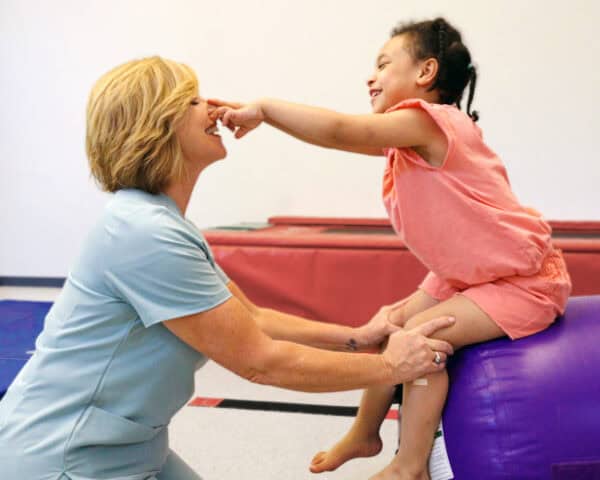
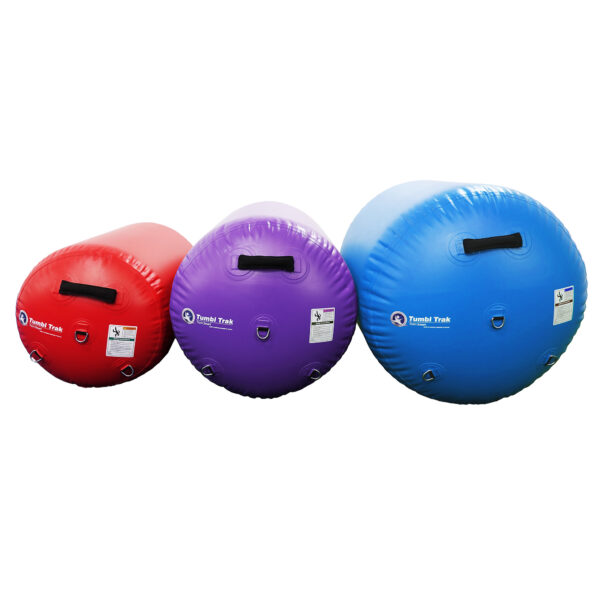
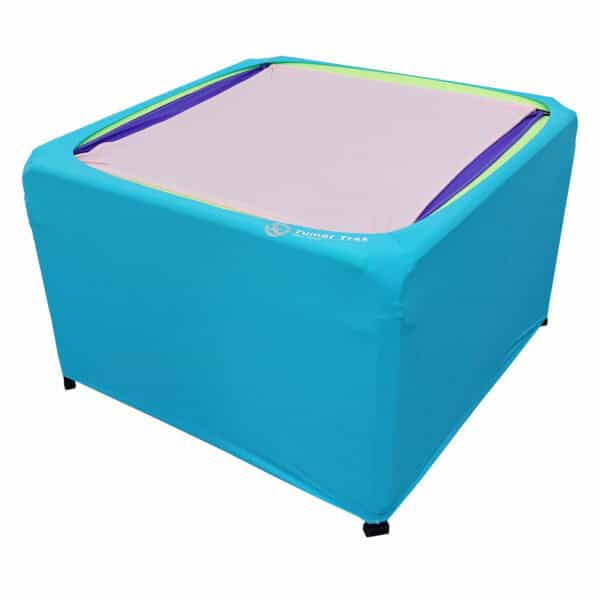
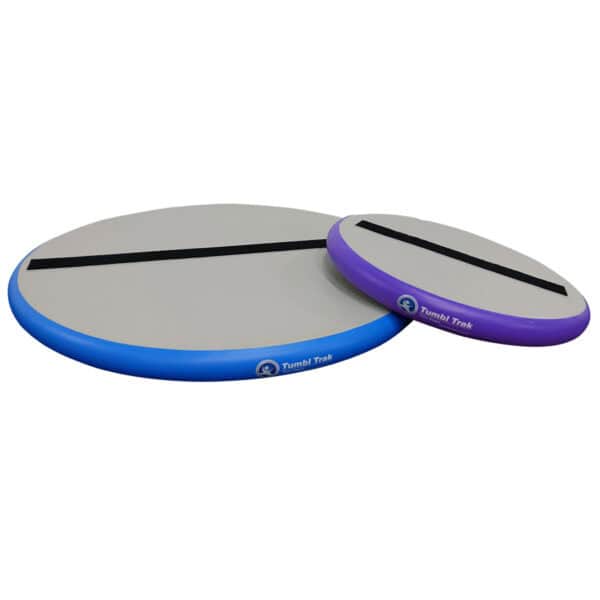
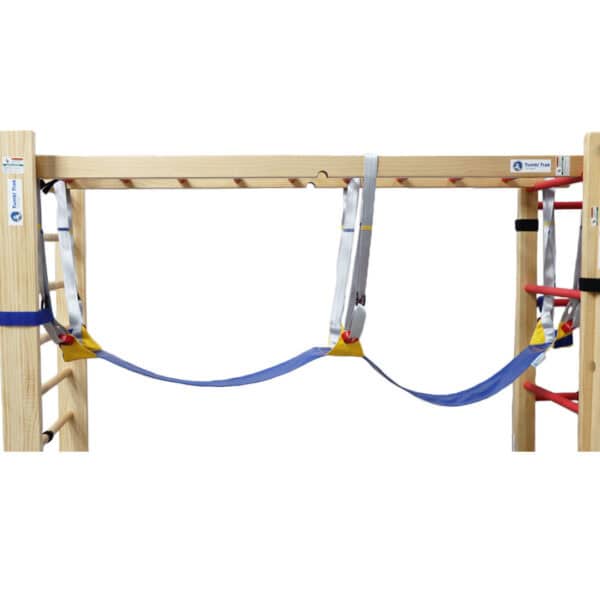
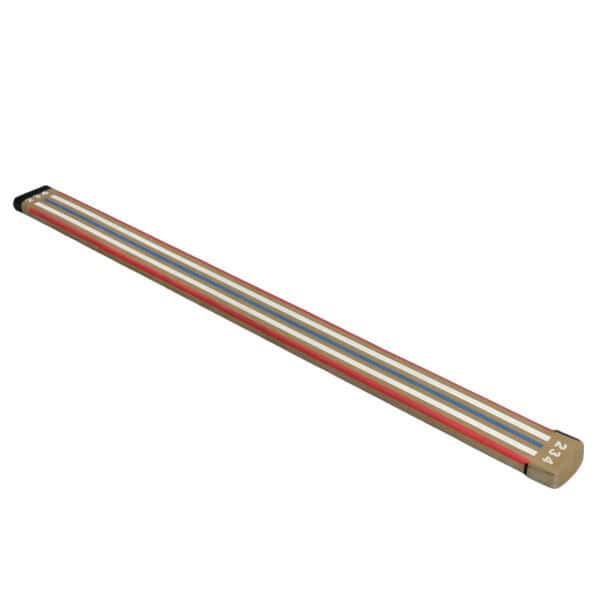
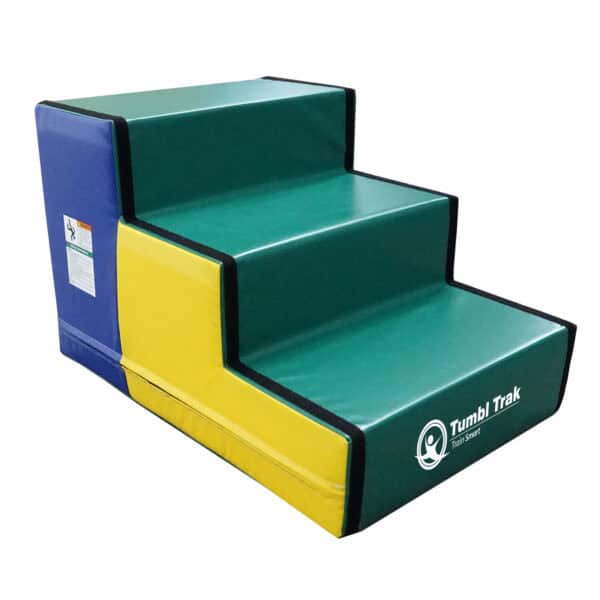
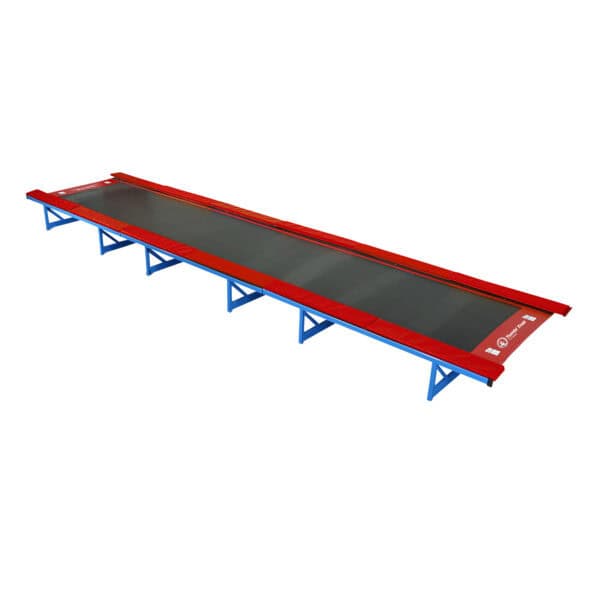
Balance helps children move through their day with confidence and independence, whether that means walking steadily, sitting upright during play, or navigating transitions between positions. For children with motor or sensory differences, building these skills often takes extra practice in environments where they can explore without fear of falling. Balance equipment includes low beams, stepping surfaces, incline mats, inflatable platforms, and foam shapes that let children practice weight shifting and postural control in safe, supportive ways. This equipment is used daily in pediatric occupational and physical therapy clinics, and the same tools are available for practice at home.
Who benefits from balance equipment?
Balance equipment supports children with special needs across a wide age range, from toddlers learning early movement skills to older kids refining coordination for daily activities. Families often use these tools with children who have cerebral palsy, hypotonia or low muscle tone, developmental coordination disorder, autism, or sensory processing differences. Occupational therapists and physical therapists regularly use balance equipment in pediatric therapy programs to create safe, repeatable movement experiences. Whether a child feels unsteady, hesitant, or seeks movement input, these tools support balance practice at home, in clinics, and in school settings.
How our equipment builds balance
Many parents notice that as balance develops, their child moves with more confidence during everyday routines and play. Balance equipment supports this by giving children repeated opportunities to practice weight shifting, stabilizing, and recovering on surfaces that feel safe and predictable.
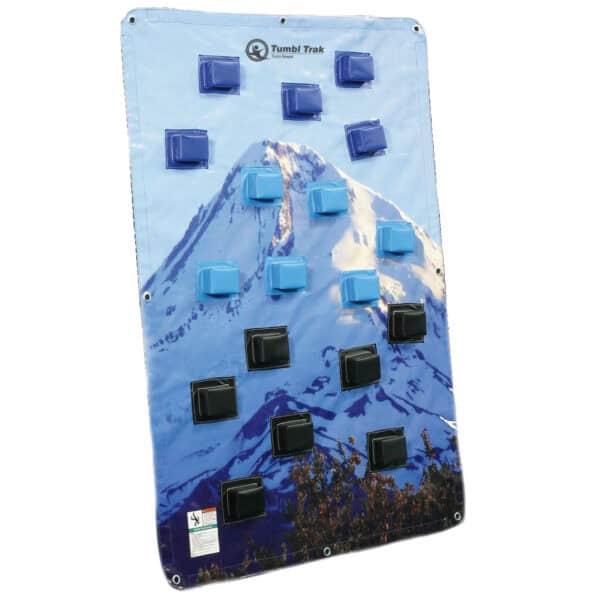
Through stepping, climbing, rolling, and controlled movement, children learn how their bodies respond to motion. Occupational and physical therapists commonly use these kinds of experiences in pediatric therapy to support balance through repetition and just-right challenge.
As children grow more comfortable with balance activities, they often participate more willingly in playground play, sports, and daily movement. Balance becomes part of how they move through the world, not just something practiced during sessions.
When movement feels achievable and fun, children practice more often. That repetition, whether at home or in therapy, is what helps balance skills take root over time.
Choosing the right balance equipment
Children build balance in different ways, so choosing the right equipment often comes down to how your child prefers to move. Stable surfaces help with early confidence, while gentle motion or small challenges support progression. Many families and therapists try a few approaches to see what sparks curiosity and comfort. Each option can be adjusted for home routines or structured therapy sessions.
FAQs about balance equipment
Therapists use balance tools to create structured opportunities for stepping, weight shifting, and exploring new positions. They adjust the level of challenge to meet each child’s confidence, helping them build balance gradually through engaging, purposeful activities.
Start with what your child responds to. Stable surfaces build early confidence, while gentle motion encourages progression. Many families try a few options to see what sparks curiosity. Both home and therapy settings can adapt these tools to your child’s pace. If your child works with an occupational or physical therapist, they can help you choose at-home equipment that furthers your child’s balance goals.
Yes. Most balance tools are lightweight, simple to set up, and flexible for small spaces. Families often weave short moments of practice into regular playtime, helping children build steadiness during everyday routines without elaborate setup.
Yes. Children with hypotonia often benefit from balance activities that encourage weight shifting and postural adjustments. Supportive surfaces let them practice safely while building the foundational responses needed for steadier movement. Your child’s physical or occupational therapist can recommend balance equipment that fits their current abilities and goals.
Many children with CP use balance equipment to practice weight shifting and work on postural control in a safe environment. The level of support and challenge can be adjusted based on each child’s abilities. Ask your therapist or care team which options best match your child’s needs.